
12 Ways to Use the Noise Control Wall for Construction, tunnelling and more
Managing noise on construction and infrastructure projects is a key part of safety, compliance and stakeholder management. The Noise Control Wall from Control Hire is a high-performance, modular attenuation system designed for rapid deployment, flexible layout and consistent noise reduction across a wide range of applications.
Here are 12 proven ways the Noise Control Wall can be used to manage and reduce site noise:
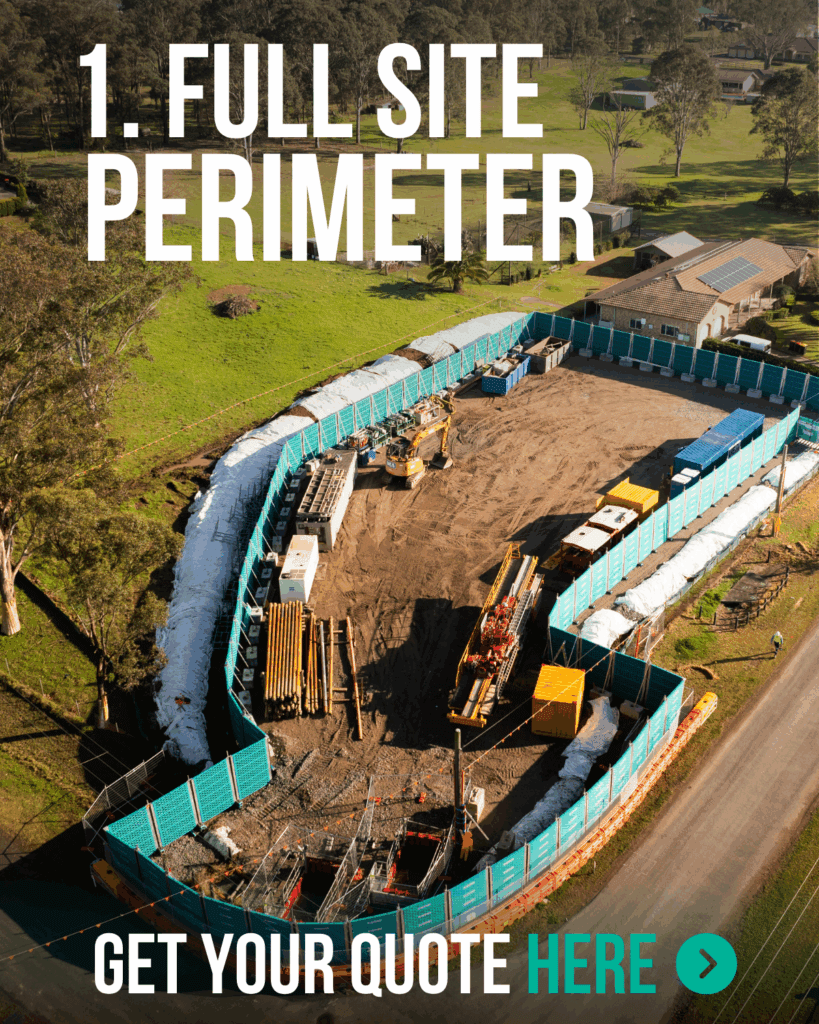
1. Full Site Perimeter
Enclosing the entire site with the Noise Control Wall provides the highest level of acoustic shielding. This is particularly important in urban environments or where projects are surrounded by sensitive land uses such as schools, hospitals or residential properties. A full perimeter setup helps reduce overall sound emissions and maintains compliance with EPA and council noise limits throughout the construction lifecycle. Due to the high 85% Sound Absorption Co-efficient, less sound is reflected back inside the work-site, which has impressed on-site workers.

2. Partial Site Perimeter
For sites without 360 degree requirements, a partial perimeter wall provides targeted noise mitigation. This approach allows for cost-effective deployment while still achieving significant reductions in noise transfer. It’s often used on projects adjacent to a residential street, where the opposite side of the site faces an unoccupied area.

3. Roadside Works
Construction activities carried out along public roads, including trenching, footpath upgrades, or kerb works often generate high levels of noise. The Noise Control Wall is ideal for setting up a temporary acoustic barrier between the active work zone and traffic or pedestrian areas. It improves public safety, reduces exposure to noise, and supports compliance with council and traffic management requirements.

4. Night Works
Works conducted outside of standard hours are subject to more stringent noise regulations. The Noise Control Wall is a critical control measure during night shifts for tasks such as rail works, utility upgrades or resurfacing. By absorbing and blocking noise, it helps contractors meet prescribed noise thresholds and avoid community complaints or stop-work notices.

5. Site Office Protection
Placing the Noise Control Wall around site offices, meeting rooms or crib facilities helps maintain a quieter and more productive environment for staff. This setup protects workers from surrounding equipment noise, supports safe communication, and improves mental focus and wellbeing, especially on busy or plant-heavy sites.
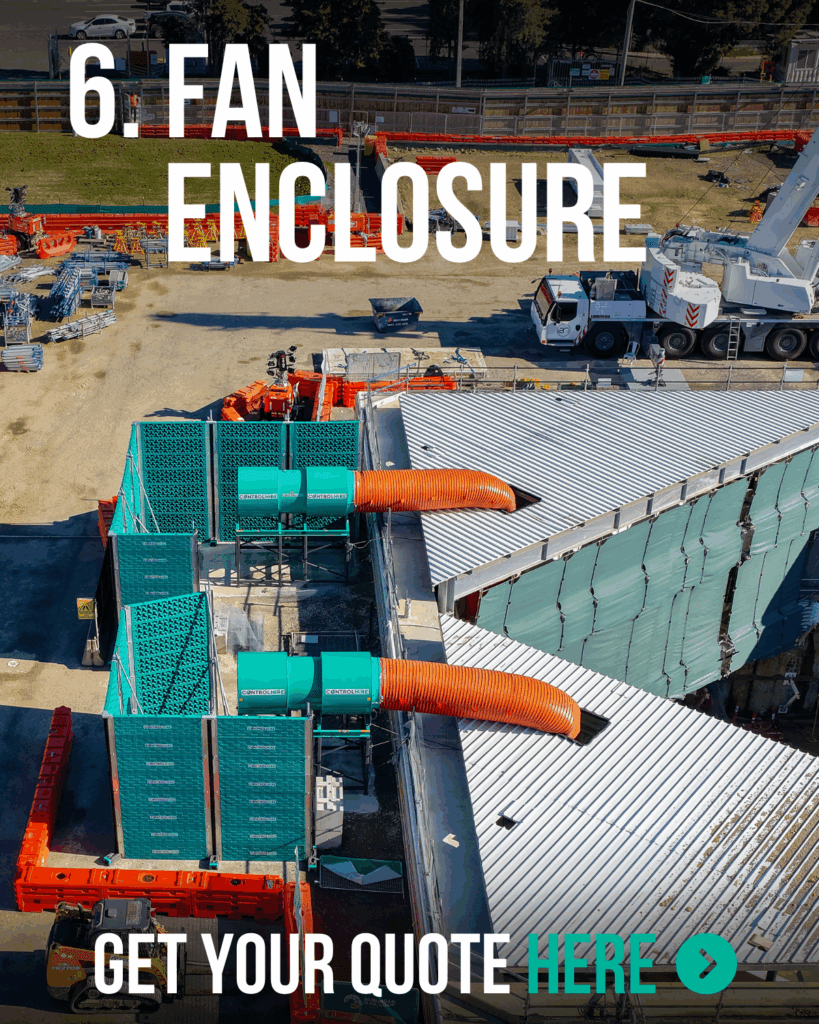
6. Fan Enclosure
Ventilation and fume extraction fans can produce high, constant noise levels. The Noise Control Wall can be installed around these systems to reduce acoustic impact while maintaining required airflow. This is particularly useful for confined or enclosed sites where fan noise can resonate and affect worker hearing safety or nearby operations.
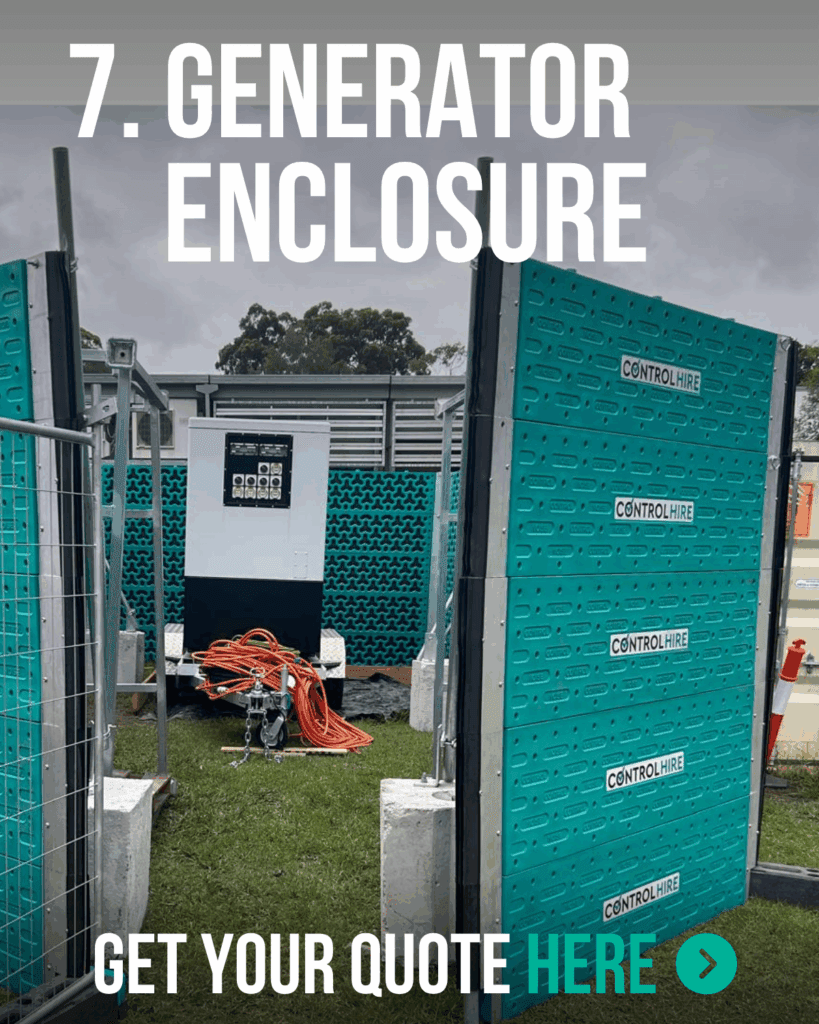
7. Generator Enclosure
Generators are essential for powering remote or long-term sites, but they often produce continuous low-frequency sound. Enclosing generators with the Noise Control Wall significantly reduces operational noise, helps comply with workplace exposure limits, and minimises disruption to surrounding businesses or residences.
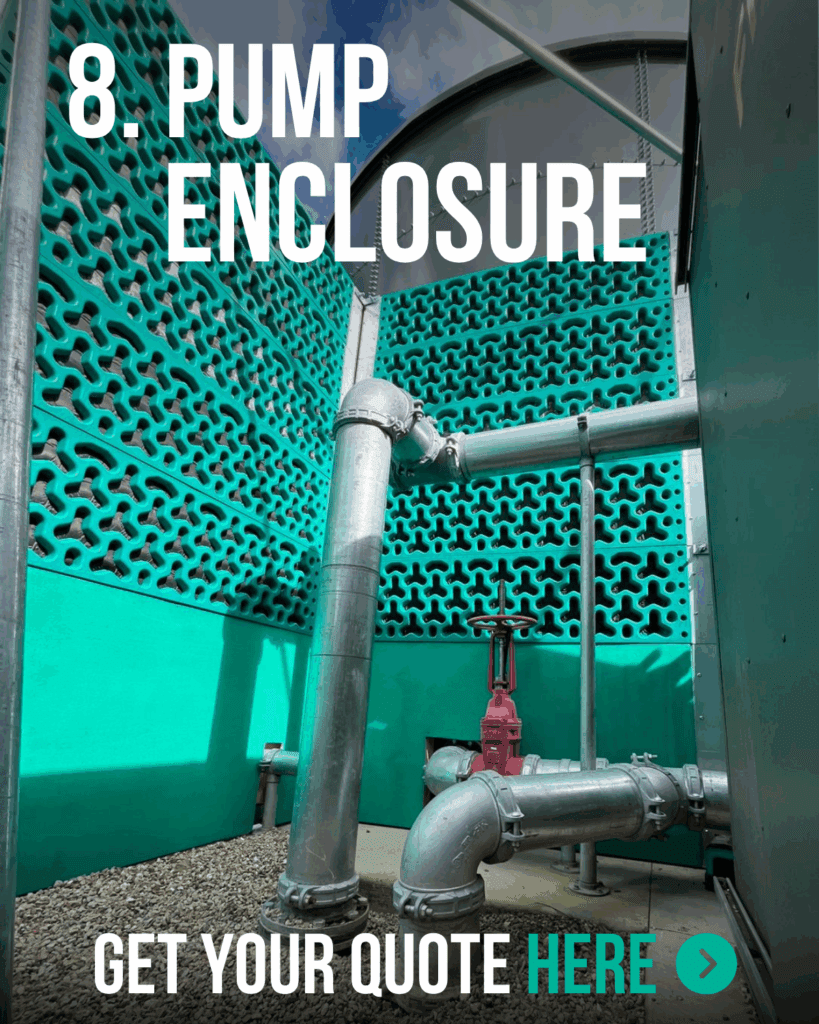
8. Pump Enclosure
Water and slurry pumps frequently operate around the clock on construction and tunnelling projects. The Noise Control Wall can be positioned around these pumps to contain noise emissions and protect both onsite workers and nearby sensitive areas. This is especially important for long-duration projects or those near residential zones.
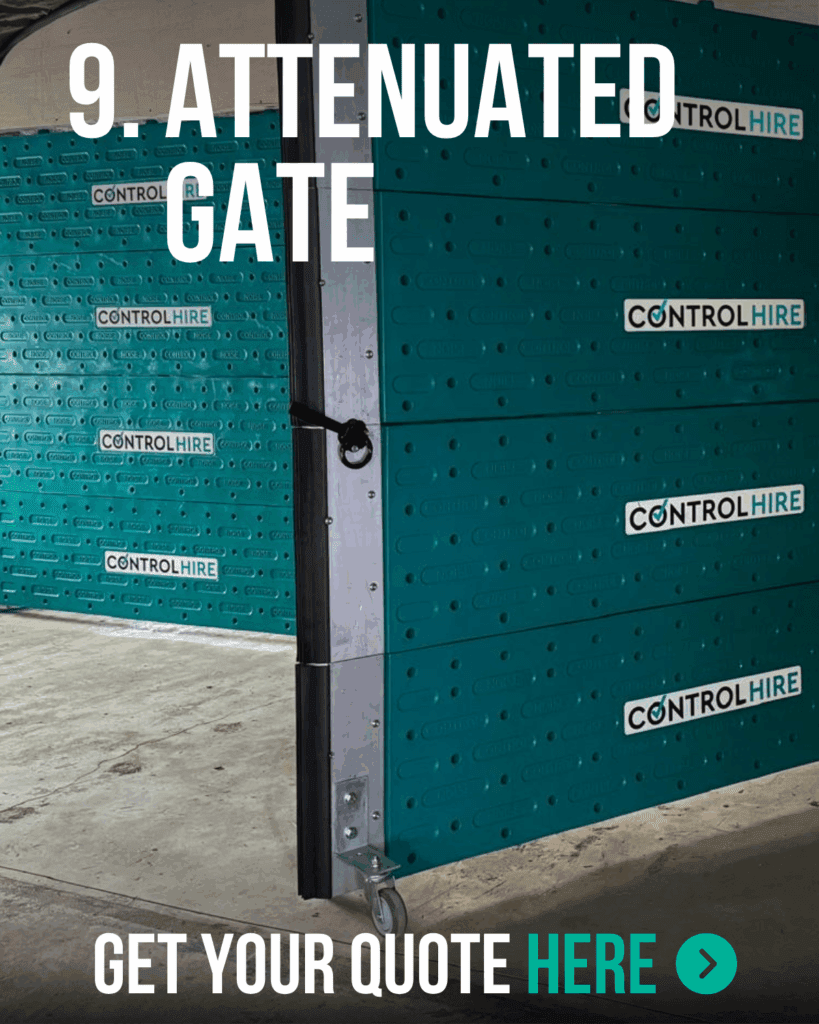
9. Attenuated Gate Access
Projects requiring controlled access through an acoustic barrier can incorporate an attenuated gate using the Noise Control Wall. These custom gates allow vehicle or personnel movement while maintaining the acoustic performance of the barrier. They are ideal for tunnel portals, enclosed work zones, or laydown areas where plant must pass through regularly.
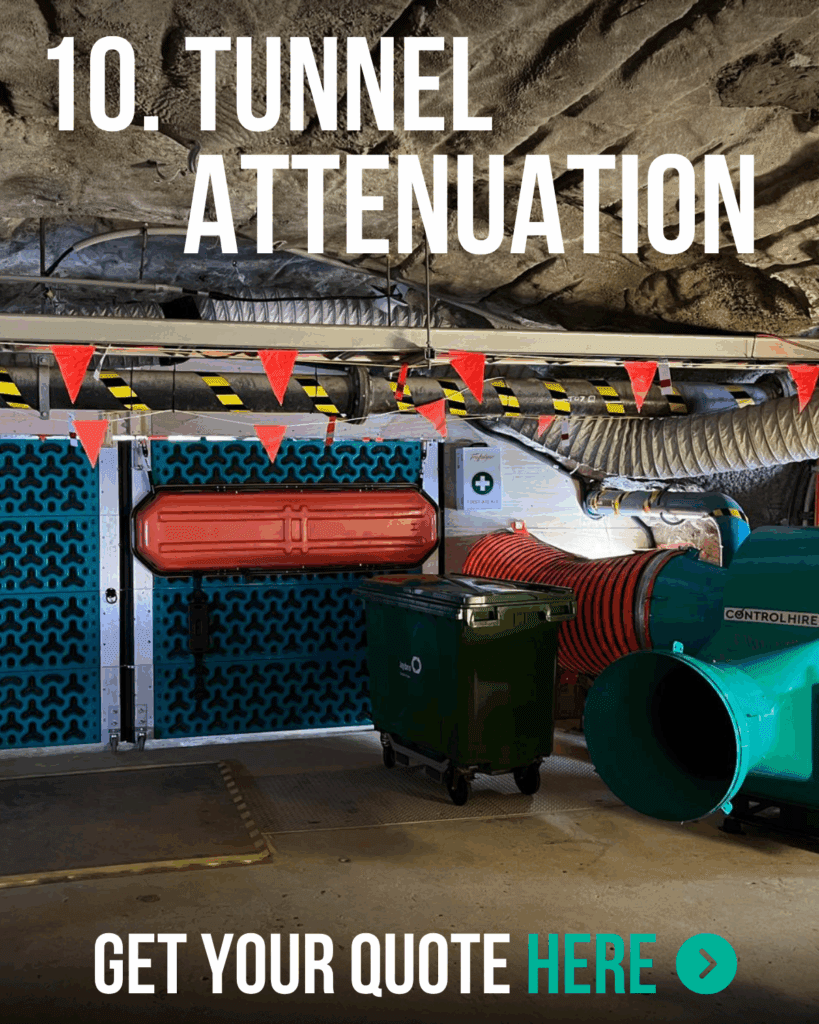
10. Tunnelling Noise Attenuation
The Noise Control Wall can be deployed around tunnel access points, ventilation shafts, and within tunnel entrances to manage noise from activities like shotcreting, ventilation or diesel plant operation. This application is common in urban tunnelling projects where noise and vibration management is required to prevent noise from escaping into public areas.

11. Residential Boundary Protection
Where projects border directly onto homes, apartments or suburban streets, placing the Noise Control Wall along the shared boundary can greatly reduce community impact. This setup ensures noise levels are kept within EPA guidelines and helps maintain positive relationships with neighbours and local councils.

12. Combined Noise Control Solutions
Sites often require more than one type of noise control measure. The modular design of the Noise Control Wall allows for multiple applications on the same site, whether for perimeter shielding, equipment enclosures or internal separation. The wall can be relocated, resized and adapted as site conditions and work stages evolve.
Control Hire offers full layout design and manudacture, installation, acoustic and vibration consulting, and compliance support for the Noise Control Wall across all industries.