
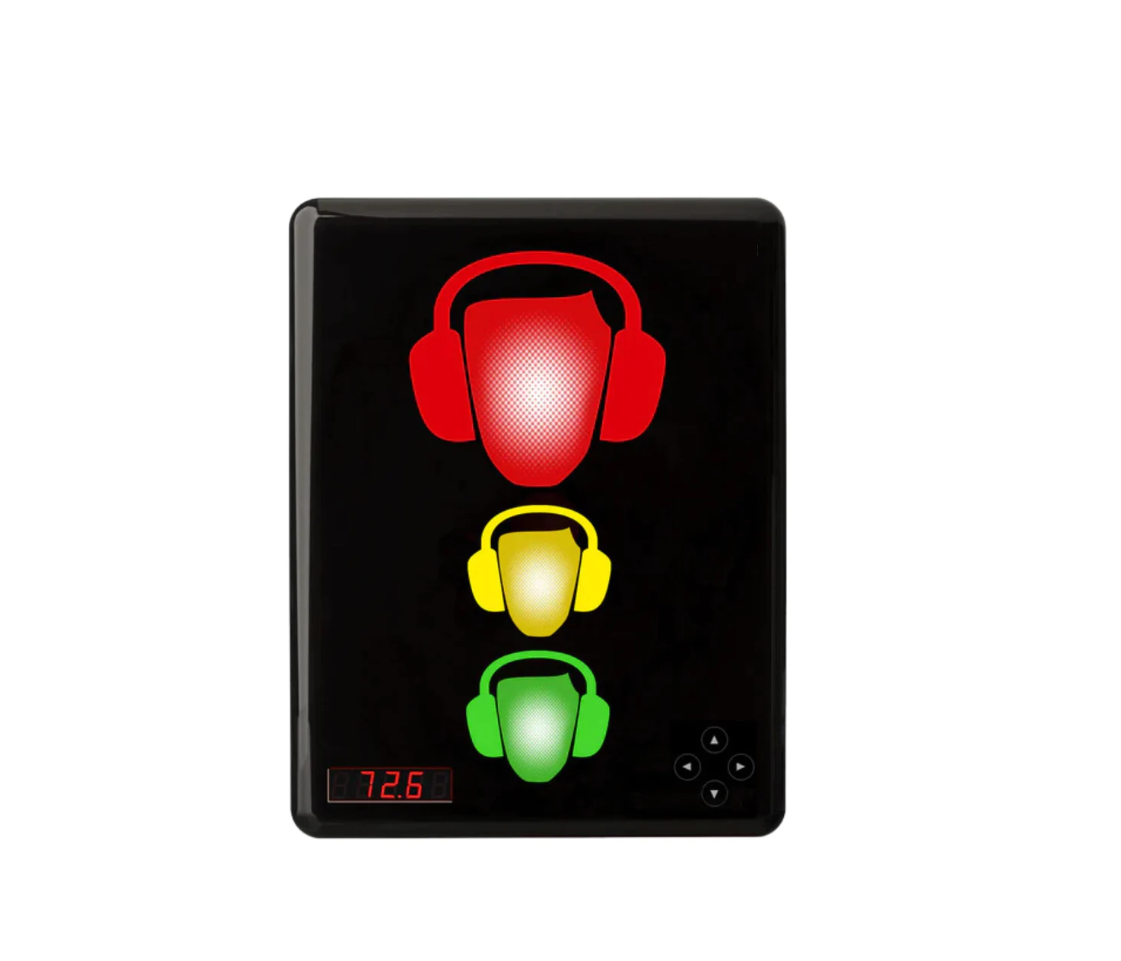


Noise Monitors Hire Range
Construction activity can generate significant noise from plant, demolition works, excavation equipment and heavy vehicles. Without proper noise monitoring in place, these impacts can quickly lead to regulatory breaches, community complaints, or project shutdowns.
Noise monitoring provides contractors and project managers with real-time data on site noise levels, helping ensure compliance with environmental approvals, EPA guidelines and local council requirements. Reliable monitoring also allows teams to demonstrate that mitigation measures are working and that construction noise remains within approved limits.
Control Hire provides industry-grade Noise Monitoring systems for construction sites, delivering reliable equipment, cloud-connected monitoring, and expert support to help contractors maintain compliance and manage noise impacts throughout the life of a project.
What is Noise Monitoring?
Noise monitoring is the process of measuring and recording sound levels generated by construction activities to ensure they remain within approved limits.
On construction projects, environmental noise monitoring is typically required as part of a Construction Environmental Management Plan (CEMP) or Noise and Vibration Management Plan (NVMP). These monitoring programs are used to track noise generated by machinery, demolition works, tunnelling operations and other construction activities.
Construction noise monitoring helps contractors:
Measure site noise levels in real time
Demonstrate compliance with environmental approvals
Validate mitigation measures such as noise barriers or equipment selection
Respond quickly to exceedances or community complaints
Noise monitoring requirements are usually governed by EPA guidelines, local council conditions, and project environmental approvals, making reliable monitoring systems essential for most major infrastructure projects.
Control Hire supports these requirements with specialist monitoring equipment and expert advice to ensure projects meet their compliance obligations.
Why Noise Monitoring is Critical on Construction Sites
Noise monitoring is not simply a compliance exercise. It is a practical tool that helps project teams manage risk, protect workers and maintain good relationships with nearby communities.
Protect Workers and Nearby Communities
Construction noise can impact both site personnel and nearby residents or businesses. Continuous site noise monitoring helps identify when noise levels approach unacceptable limits so mitigation measures can be implemented early.
Meet Environmental Approvals
Major infrastructure projects often operate under strict environmental conditions that require ongoing construction noise compliance reporting. Monitoring provides the data required to demonstrate compliance with these approvals.
Avoid Project Shutdowns or Fines
Exceeding approved noise limits can trigger investigations, complaints or stop-work notices. Real-time monitoring helps contractors identify potential issues before they escalate.
Validate Noise Control Measures
Noise monitoring allows teams to confirm that mitigation strategies are working. For example:
Installing acoustic barriers or noise walls
Changing equipment or work methods
Adjusting work hours or sequencing activities
This data-driven approach helps keep projects operating safely and within approved limits.
Types of Noise Monitoring Equipment
Construction projects use several types of noise monitoring equipment depending on the level of compliance required and the complexity of the site.
Real-Time Noise Monitors
Real-time noise monitors provide continuous sound level measurement and automatically transmit data to cloud-based platforms. These systems allow project teams to track noise levels remotely and receive alerts if thresholds are exceeded.
Environmental Noise Loggers
Environmental noise loggers record sound levels over extended periods. These devices are commonly used for compliance monitoring and environmental reporting.
Sound Level Meters
Sound level meters are portable instruments used for spot measurements and short-term assessments. They are useful for investigating specific noise sources or validating mitigation strategies.
Cloud-Connected Monitoring Systems
Modern real time noise monitoring systems connect directly to cloud platforms, providing:
Live noise data
Automatic alerts for exceedances
Remote access to monitoring dashboards
Exportable compliance reports
This technology allows contractors, environmental consultants and project managers to maintain full visibility of site noise conditions.
Control Hire’s Noise Monitoring Solutions
Control Hire provides comprehensive noise monitoring equipment hire solutions tailored for construction and infrastructure projects across Australia.
Our monitoring systems are designed to support environmental compliance while providing practical insights into site operations.
Key benefits include:
Industry-grade construction noise monitoring systems
Cloud-connected monitoring and real-time alerts
Professional site installation and setup
Ongoing technical support and maintenance
Data reporting for compliance and environmental approvals
Control Hire also supports contractors with Noise & Vibration Management Plans (NVMP) and environmental monitoring programs, ensuring the right monitoring system is selected and configured for each project.
As part of our broader environmental monitoring services, our team can assist with the setup and management of monitoring programs covering noise, vibration and air quality.
Typical Applications
Noise monitoring is commonly required across a wide range of construction and infrastructure projects, particularly where works occur close to residential or sensitive areas.
Typical applications include:
Civil construction projects
Tunnelling and underground works
Demolition and structural removal
Road upgrades and motorway projects
Rail infrastructure and station upgrades
Urban construction developments
Mining and heavy industrial works
In these environments, noise level monitoring for construction provides the data required to maintain compliance while allowing work to continue safely and efficiently.
Speak with Control Hire About Noise Monitoring
If your project requires construction noise monitoring equipment, the Control Hire team can help.
We provide expert advice, monitoring equipment hire, and full monitoring program support to ensure your site remains compliant with environmental approvals and noise regulations.
Contact Control Hire to discuss:
Noise monitoring equipment hire
Real-time noise monitoring systems
Environmental compliance monitoring
Noise and vibration management support
Our team will help design a monitoring solution that suits your site conditions, project requirements and regulatory obligations.
Frequently Asked Questions
What is construction noise monitoring?
Construction noise monitoring involves measuring and recording sound levels generated by construction activities to ensure they comply with environmental regulations and project approval conditions.
Monitoring helps contractors manage noise impacts and demonstrate compliance with EPA guidelines and council requirements.
Why is noise monitoring required on construction sites?
Noise monitoring is often required as part of environmental approvals or Construction Environmental Management Plans (CEMP). It helps ensure construction activities do not exceed approved noise limits and allows contractors to respond quickly if levels become too high.
What equipment is used to monitor noise levels?
Common equipment used for site noise monitoring includes:
Real-time noise monitors
Environmental noise loggers
Portable sound level meters
Cloud-connected monitoring systems
The choice of equipment depends on the monitoring objectives and compliance requirements of the project.
How does real-time noise monitoring work?
Real-time noise monitoring systems measure sound levels continuously using calibrated microphones. The data is transmitted to a cloud platform where it can be viewed remotely.
If noise levels exceed predefined limits, alerts can be triggered so site teams can respond immediately.
What are the noise limits for construction sites in Australia?
Construction noise limits vary depending on the state, local council and project approval conditions. Environmental Protection Authorities (EPA) typically set guidelines covering:
Permitted noise levels
Restricted working hours
Mitigation requirements
Monitoring data is used to demonstrate compliance with these limits.
Can noise monitoring data be used for compliance reporting?
Yes. Monitoring data is commonly used for environmental reporting and compliance documentation. Real-time monitoring systems can generate reports that demonstrate whether construction noise remained within approved limits.
How do I choose the right noise monitoring system?
The right system depends on several factors including project size, location, nearby receptors and regulatory requirements.
Control Hire’s environmental specialists can assess your site and recommend a noise monitoring solution that meets both operational and compliance needs.