
Comprehensive Hazard Management Solutions
Silica Risk Control Plans
Control Hire has a dedicated, completely in-house environmental and engineering team, including experienced occupational hygienists, ventilation engineers and site technicians who specialise in high-risk silica environments. Our team supports projects of all sizes: from short-term construction works to complex tunnelling and infrastructure projects, ensuring silica risks are identified, controlled, monitored and documented in line with current WHS legislation.
Our Expertise
In-House Occupational Hygiene, Environmental & Engineering Team
High-risk Crystalline Silica Work (HRCSW)
Our team excels in identifying and controlling silica exposure, ensuring compliance with the latest safety standards.
Confined Spaces / Underground Environs
Specialist silica risk management for restricted, low-airflow environments requiring engineered ventilation and continuous monitoring.
Tunnelling, Shotcreting, Excavation and Demolition
Targeted controls for high-dust construction activities with elevated silica generation and exposure potential.
Construction and Civil Infrastructure
Scalable silica risk solutions across building, civil and infrastructure projects of all sizes and durations.
Live Environments with Workforce and Community Exposure Risks
Managing silica risks where works intersect with active sites, occupied buildings and the surrounding community.
Design, Implementation and Verification of Engineering Controls for Silica Dust
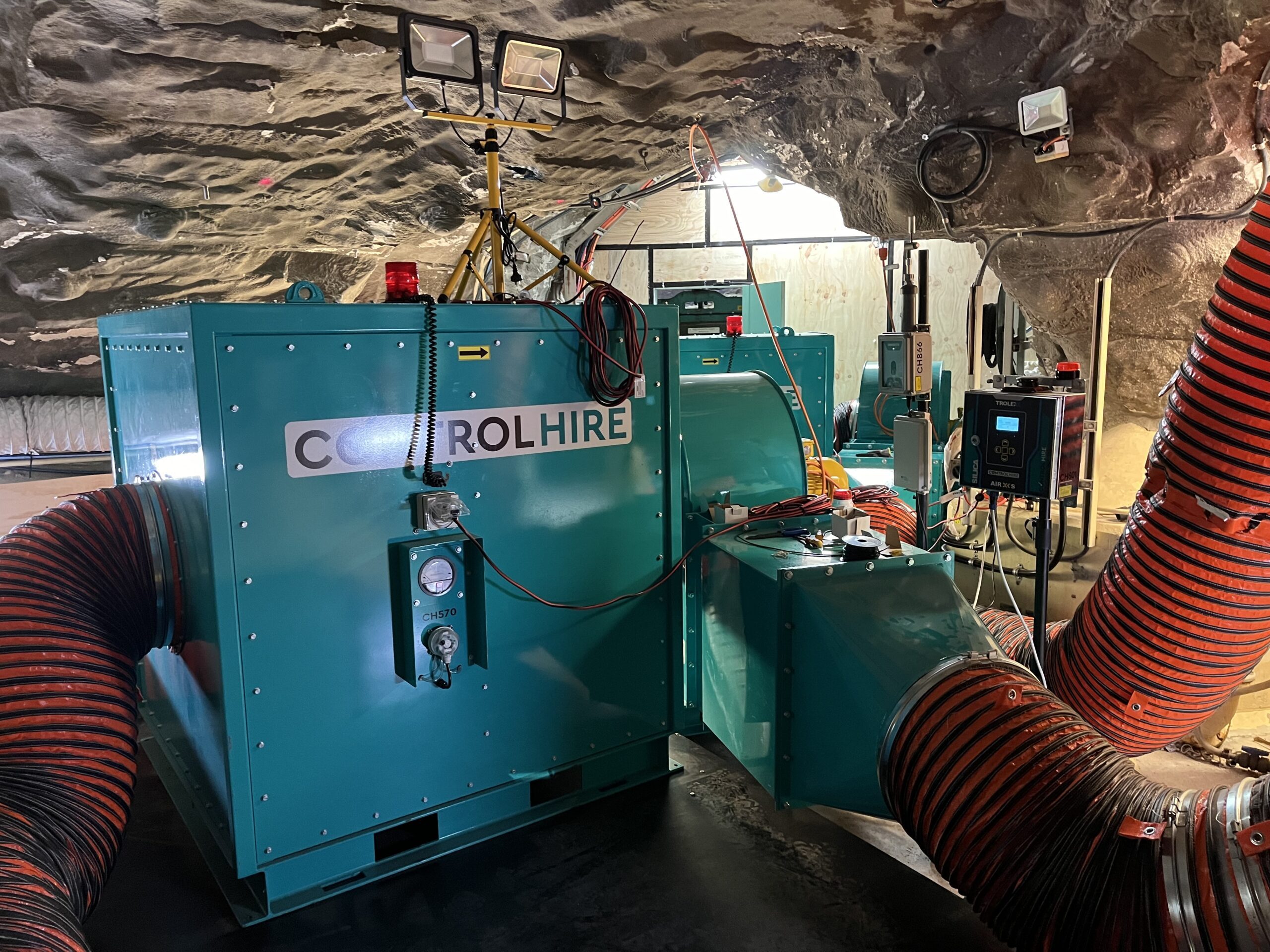
Full methodology and equipment available for Ventilation, Extraction, Filtration and Suppression.
Silica Risk Control Plans (SRCP)
Where high-risk crystalline silica work is identified, a Silica Risk Control Plan (SRCP) is mandatory.
Control Hire prepares project-specific SRCPs that are practical, defensible and aligned with current Safe Work Australia and state-based WHS requirements.
Our SRCPs include:
- Identification of crystalline silica substances and high-risk activities
- Risk assessment and exposure potential analysis
- Engineering, administrative and PPE control measures
- Monitoring requirements and trigger levels
- Training, supervision and health monitoring requirements
- Emergency & Exceedance Response Actions
Because our hygienists, engineers and hire teams work together, the controls specified in the SRCP can be supplied, installed and managed by Control Hire end-to-end.
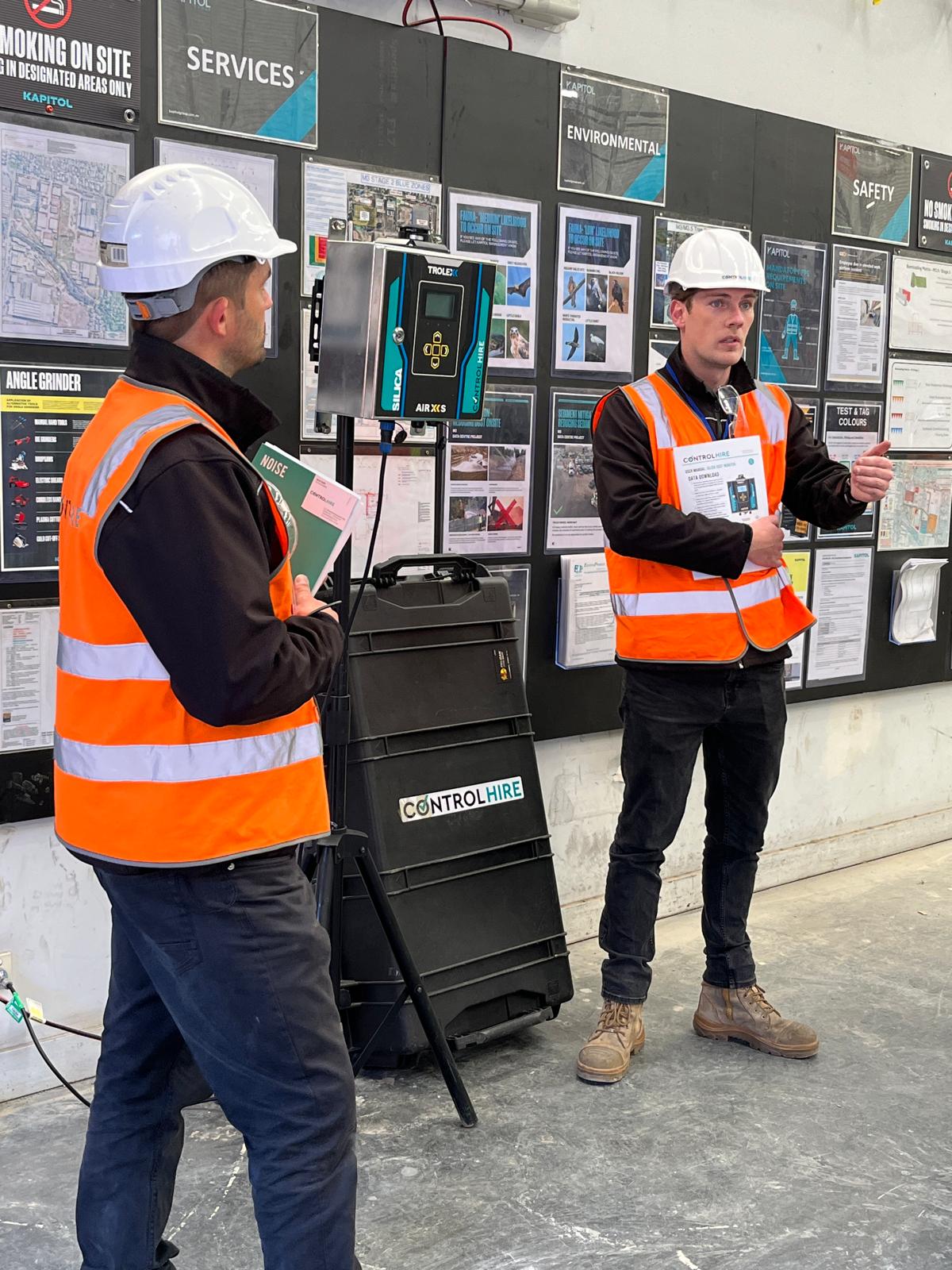
Your Personal Silica Solution, Simplified:

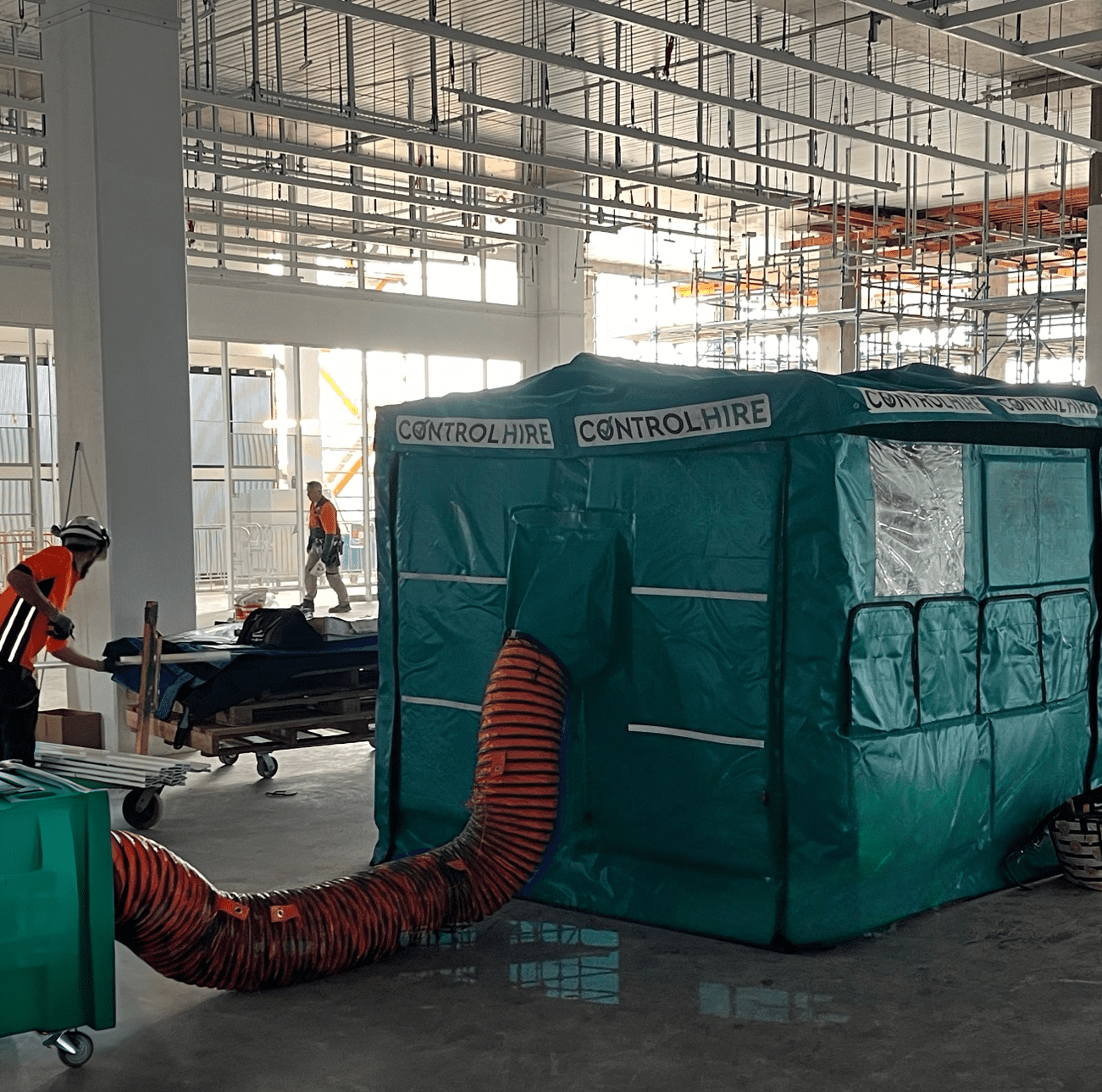


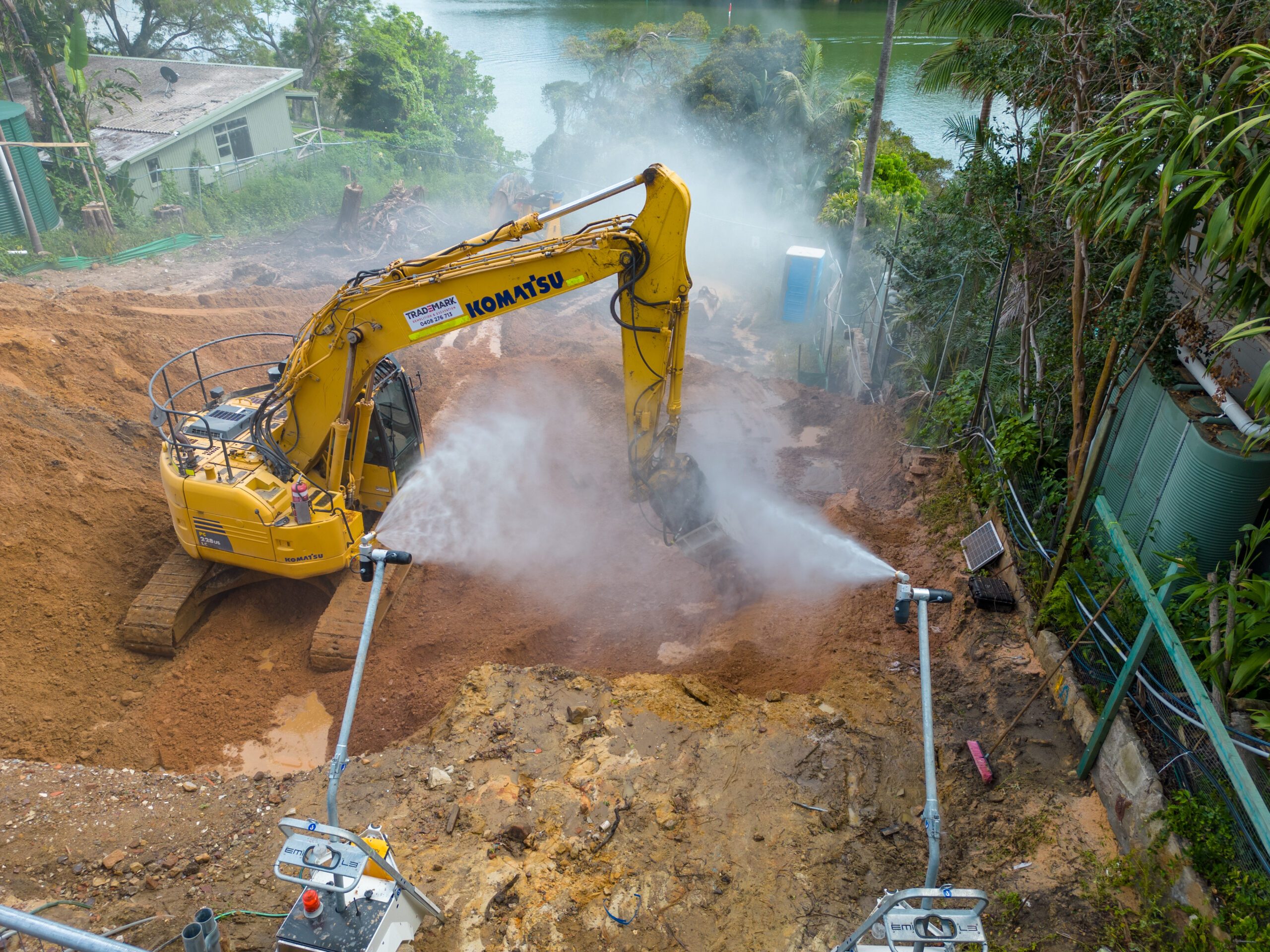
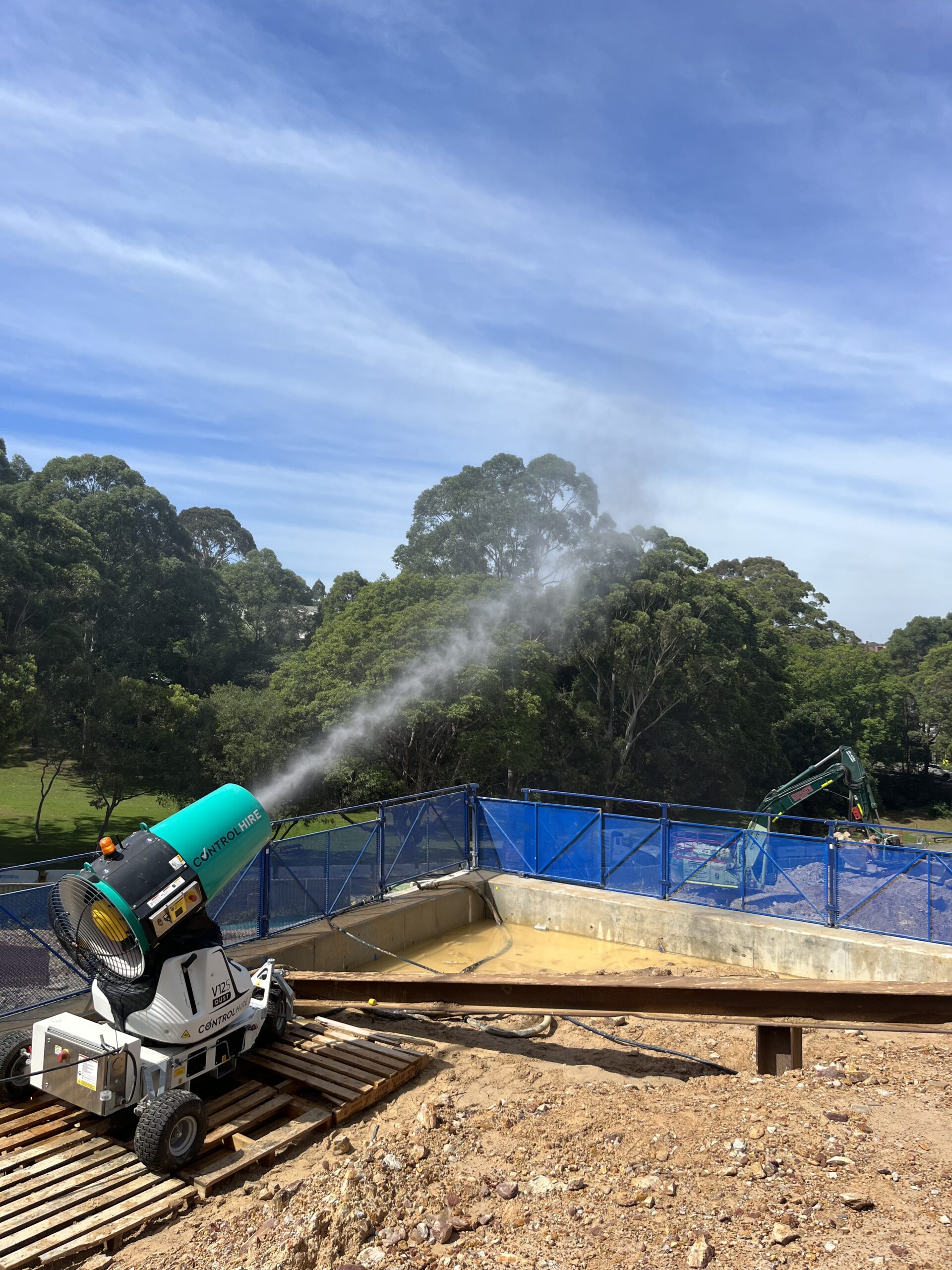

Frequently Asked Questions:
What is Respirable Crystalline Silica (RCS)?
Respirable crystalline silica (RCS) is a fine airborne dust generated when materials such as concrete, stone, brick or engineered stone are cut, drilled, crushed or ground. Because the particles are extremely small, they can penetrate deep into the lungs and cause serious and irreversible health conditions.
What Is High-Risk Crystalline Silica Work (HRCSW)?
High-risk crystalline silica work (HRCSW) is work that is likely to result in silica exposure exceeding regulatory thresholds, or involves high-silica materials and dust-generating activities. Under Australian WHS laws, HRCSW requires specific controls, air monitoring, training and a documented Silica Risk Control Plan (SRCP).
What is a Silica Risk Control Plan (SRCP)?
A Silica Risk Control Plan (SRCP) is a mandatory, project-specific document required when high-risk crystalline silica work (HRCSW) is identified. It documents how respirable crystalline silica risks will be identified, controlled, monitored and managed to protect workers and others, in accordance with Safe Work Australia and state-based WHS legislation.
What Should a Silica Risk Control Plan Include?
A compliant SRCP must identify silica-containing materials and high-risk tasks, assess exposure risk, define engineering and administrative controls, specify monitoring and trigger levels, outline training and health monitoring requirements, and document emergency and exceedance response actions.
How does Control Hire Manage Silica Risks Differently?
Control Hire delivers silica risk management end-to-end. Our in-house occupational hygienists, ventilation engineers and site technicians work together to assess risk, design engineered controls, implement monitoring and document compliance: ensuring the controls specified in the SRCP are practical, defensible and achievable on site.
What Engineering Controls Are Used to Manage Silica Dust?
Engineering controls may include temporary ventilation systems, local exhaust extraction, air scrubbers, dust suppression systems, filtration units and enclosure or isolation of high-risk activities. Control Hire designs and supplies these controls based on site conditions, airflow requirements and regulatory obligations.
Is air monitoring required for silica exposure?
Yes. Air monitoring is required where silica exposure may exceed action levels or where HRCSW is being undertaken. Real-time and static monitoring should be used to verify dust controls are effective, however personal exposure monitoring must also be undertaken with results documented and reported in line with legal requirements.
Can Control Hire provide monitoring, reporting, equipment and compliance?
Yes. Control Hire provides monitoring, engineered controls, equipment hire, installation and ongoing management under one integrated service. This ensures monitoring results directly inform control effectiveness and that corrective actions can be implemented immediately if trigger levels are exceeded.
Do silica regulations apply to short-term or small projects?
Yes. Silica regulations apply regardless of project size or duration. Even short-term construction works can involve HRCSW if silica-containing materials are processed. Duty holders must identify risks, implement controls and document compliance for all applicable works.
How Does Silica Risk Management Apply To Live Or Occupied Environments?
In live environments (such as active construction sites, operating facilities or areas near the public) additional controls are required to protect both workers and the surrounding community. This may include enhanced containment, filtration, monitoring, noise and dust control measures and clear documentation of risk controls.
What Our Clients Say
“The result was immediate and impressive, both inside and outside the work-zone. Beyond the sound performance, the professionalism and engineering behind the solution were second to none. It was a seamless integration into a highly sensitive site – I wouldn’t hesitate to recommend Control Hire”
Jonathan de Vos, Operations Manager - UEA
“Control Hire offers good dust suppression equipment for activities involving crystalline silica substance and dust. Control Hire equipment is clean, it works, and delivers on time.”
Andy Jin, Civil Engineer - Fulton Hogan
“Great service and reliability, made the entire process easy and went above and beyond. Arranging additional items, testing water pressure and arranging demonstration of their product to cater for our needs onsite. Highly recommend!”