
Comprehensive Mould & Water Damage Solutions
Mould and Water Damage Restoration Guides
Control Hire delivers measurement-led Mould & Water Damage Restoration Guides that define proportionate, engineered controls based on real site conditions, helping contractors manage mould risks safely, efficiently and cost-effectively during restoration works.
Our Expertise
Mould & Water Damage Restoration Services
Measurement led mould risk controls developed to support safe and compliant restoration works based on actual site conditions.
Occupational Hygiene
Qualified hygienists assess mould and moisture risks using real site data to support compliant restoration works.
WHS Risk Management
Our guides support WHS duties by clearly identifying hazards, controls and escalation criteria during restoration works.
Engineered Ventilation & Filtration
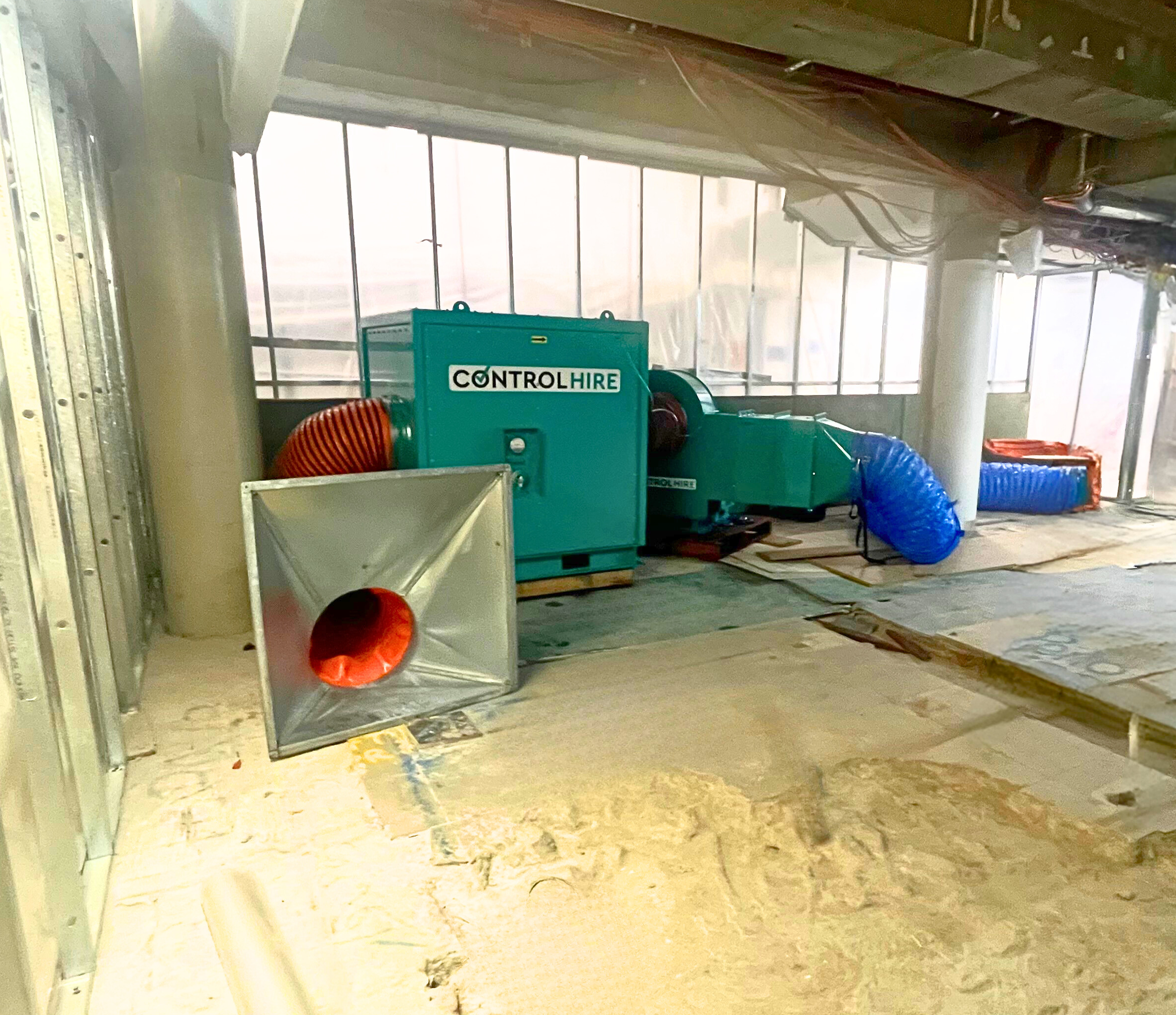
Temporary ventilation, air scrubbing and drying controls are engineered to suit the measured conditions of each workspace.
Environmental Monitoring
We measure relative humidity, temperature, moisture and air conditions to verify risk levels and control effectiveness.
Temporary Hazard Control
Integrated solutions covering ventilation, filtration, monitoring and on-site support throughout the restoration process.
On-Site Support & Compliance
We offer comprehensive on-site support, including system optimization and compliance reporting, to maintain effective control measures throughout the project lifecycle.
Mould and Water Damage Restoration Guide
Control Hire’s Mould & Water Damage Restoration Guide is a practical, site-specific document designed to define proportionate controls for mould and water-affected environments during restoration works.
The guide is developed using measured site conditions, ensuring the right level of engineered control is applied — without unnecessary cost or complexity.
Our guide covers:
-
Site overview and description of water damage or mould-affected areas
-
Measurement of relative humidity, temperature and workspace volume
-
Identification of mould and moisture-related health risks
-
Defined ventilation, filtration and drying controls
-
Equipment sizing and placement recommendations
-
Controlled work methodology to prevent spore spread
-
Monitoring and verification requirements during works
-
Clear escalation triggers if conditions change on site

Clear Guidance For Mould & Water Damage Restoration For Your Project:




Frequently Asked Questions:
What is a mould and water damage restoration guide?
A mould and water damage restoration guide is a site specific document that outlines how mould and moisture risks will be managed during restoration works. It is developed using measured site conditions such as humidity, temperature and space volume to define appropriate ventilation, filtration and drying controls.
What is the difference between a mould management plan and a restoration guide?
A mould management plan is typically used for high-risk or complex remediation, while a restoration guide provides a proportionate, cost-effective approach for minor to moderate mould and water damage works.
When should a mould & water damage restoration guide be used?
These guides are suitable for refurbishment, demolition and restoration works involving localised mould or water damage where full remediation plans are unnecessary.
How does Control Hire determine the right mould controls?
We assess measured factors such as relative humidity, temperature, material moisture and room volume to engineer appropriate ventilation, filtration and drying controls.
Does this help with WHS compliance?
Yes. The guide supports WHS obligations by identifying hazards, defining control measures and documenting a safe approach to managing mould risks during works.
Can Control Hire supply the required equipment?
Yes. Control Hire supplies and supports the full range of ventilation, filtration, dehumidifiers and monitoring equipment specified in the guide.
Do you operate in NSW, VIC and QLD?
Yes. Control Hire provides mould and water damage restoration support across all of Australia, from branches in New South Wales, Victoria and Queensland.